


For decades, elite services like legal counsel, accounting, consulting, insurance and financial advisory have been powered by human labor. Expertise was scarce. Time was billable. Access was expensive.
That model is breaking.
We are entering the era where AI does not just support services. It delivers them.
The Great Flip: From 80% Human to 80% AI
Traditional service firms run on an 80 percent human model. Junior associates grind through research. Analysts reconcile data. Consultants build decks. Partners review and advise.
Technology has been a tool, not the engine.
AI is changing the ratio. We start to see AI native service firm that runs 80 percent on software and 20 percent on human oversight. Humans design frameworks, handle edge cases, build relationships, and make judgment calls. AI performs the repeatable cognitive labor at scale.
Contract review
Audit testing
Due diligence
Financial modeling
Regulatory compliance checks
Customer support triage
These become software functions.
The cost structure collapses. The margin profile expands. Accessibility explodes.
This is not incremental efficiency. It is structural deflation in high end services.
From “Software Is Eating the World” to “AI Is Eating Services”
When Marc Andreessen wrote that software is eating the world, he described how code replaced physical distribution and manual processes.
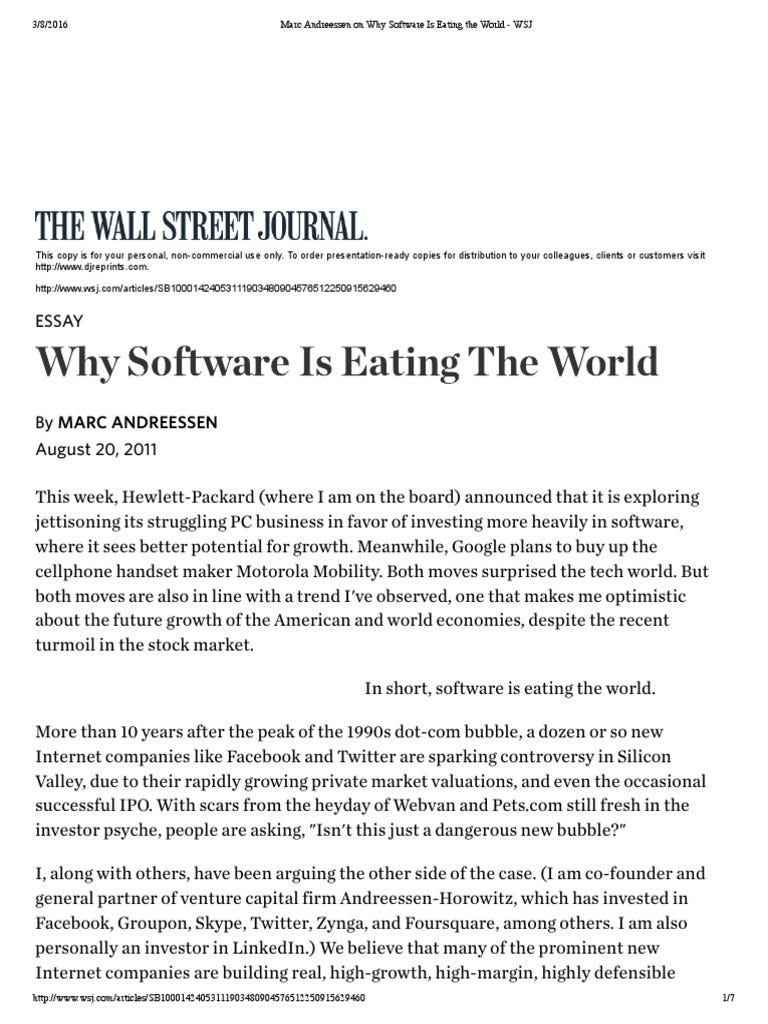
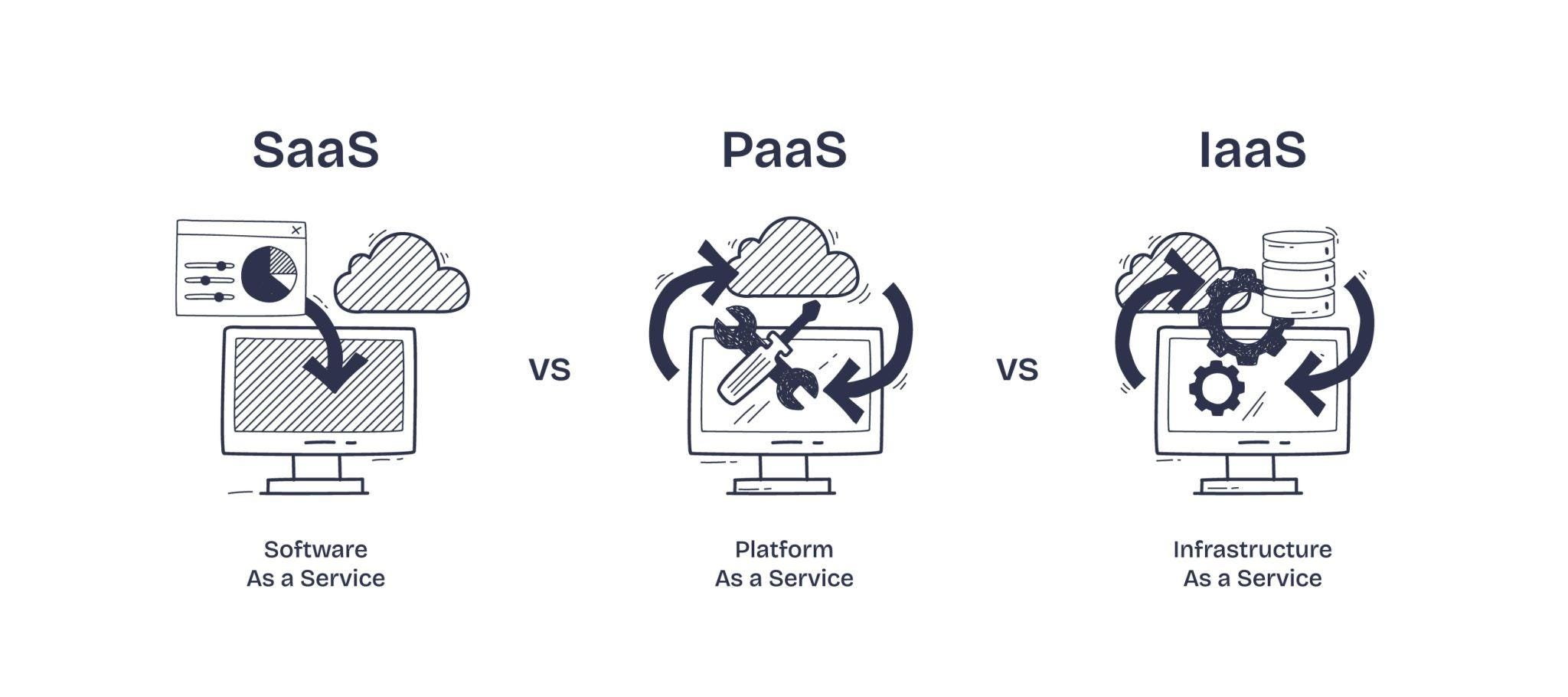
Software scaled products. AI scales expertise. That is a bigger shift.
SaaS made tools subscription based and continuously improving. AI makes judgment, analysis, and reasoning subscription based and continuously improving.
We are watching the birth of Expertise as a Service.
The Venture Lens: Where the Value Will Accrue
From a VC perspective, this transformation creates three massive opportunity zones.
1. AI Native Service Platforms
Startups that rebuild legal, accounting, compliance, insurance and advisory services from first principles.
Not a traditional firm with AI layered on top. A software company that happens to deliver services.
These companies will show:
High gross margins
Usage based pricing
Continuous model improvement
Embedded data flywheels
This is the extension of the traditional SaaS subscription model except it does not just sell software, it sells solutions directly. The winners will not sell subscription or hours. They will sell outcomes.
2. AI Infrastructure for Service Firms
Not every law firm or accounting firm will disappear. Many will modernize. There is a massive opportunity in building a new AI infrastructure layer that powers them:
Secure model orchestration
Domain specific fine tuning
Audit trails and explainability
Workflow automation
Human in the loop controls
Enterprise AI infrastructure will become the backbone of professional services.
This is where durable venture scale businesses can emerge.
3. Hybrid AI First Firms
A new category will rise. Firms that look traditional externally but are structurally AI powered internally.
High Touch + High Tech
On the surface:
Partners
Client relationships
Advisory retainers
… similar to a traditional service firm
Under the hood:
AI driven research
Automated compliance
Model generated reporting
Decision support systems
This architecture fundamentally reshapes the economics.
Lower cost structure.
Higher operating leverage.
Software like margins.
The result is disruptive pricing without sacrificing quality, and in many cases, improving it.
These firms will not compete on hours billed. They will compete on intelligence delivered.
Recommendations for Founders
If you are building in this space, focus on:
Start with workflow, not models - Clients buy solutions, not algorithms
Embed deeply into customer systems - APIs and integrations are defensibility
Own the data layer - Data improves models. Models improve outcomes. Outcomes generate more data
Design for human trust - Explainability, auditability, and compliance are non negotiable
Price for value delivered - Do not underprice AI. If you reduce legal spend by 60 percent, capture a share of that delta
The moat is not just technology. It is trust plus integration plus domain depth.
The Economic Implication
Small businesses that could never afford top tier legal advice will now subscribe to it.
Startups will automate compliance instead of hiring teams.
Enterprises will compress layers of middle management.
This is productivity expansion at scale.
It also reshapes labor markets. High end knowledge workers will move up the stack toward strategy, creativity, relationship building, and oversight.
Routine task work will decline in value.
The Visionary Economy rewards those who orchestrate intelligence, not just perform tasks.
Conclusion: AI Defined Services
The move from 80 percent human to 80 percent AI will not happen overnight. Regulation, trust, and inertia slow transitions.
But the direction is clear.
High-cost services become software like…
Expertise becomes programmable.
Advisory becomes scalable.
In the Visionary Economy, value accrues to those who redesign industries around intelligence.
The question is not whether AI will transform services. The question is who captures the upside. And from a venture lens, the opportunity is just beginning.